How easy is it for a woman to pass herpes to a man?
Last update:
Herpes is a common viral infection that affects individuals worldwide, and one of the questions frequently asked is how easy it is for a woman to pass herpes to a man.
In this article, we will delve into the dynamics of herpes transmission, risk factors, preventive measures, and the importance of open communication in intimate relationships.
How likely is it for a man to get herpes? The typical transmission rate
How easy is it for a woman to pass herpes to a man? You may know the typical transmission rate. The typical transmission rate from an individual with herpes to their consistent partner is approximately 10 percent annually. However, this annual transmission rate increases when the infected partner is male. Unfortunately, the female partner faces a 20 percent likelihood of infection.
Are men more likely to get herpes? The likelihood of contracting herpes is not significantly gender-dependent. Both men and women can become infected with herpes at similar rates. The risk of getting herpes depends more on individual behaviors, sexual practices, and preventive measures rather than gender.
How likely is it for a man to get herpes? The risk for the male partner getting herpes from infected woman is less than 10 percent annually. The likelihood of a man contracting herpes also depends on various factors, including their sexual behavior, the herpes status of their partners, and preventive measures taken.
Is it harder for a woman to transmit herpes to a man? The ease of herpes transmission can vary depending on multiple factors, but gender itself is not the primary determining factor in transmission. Instead, several variables come into play, making it challenging to make generalizations.
Worry about transmission? Meet singles with herpes
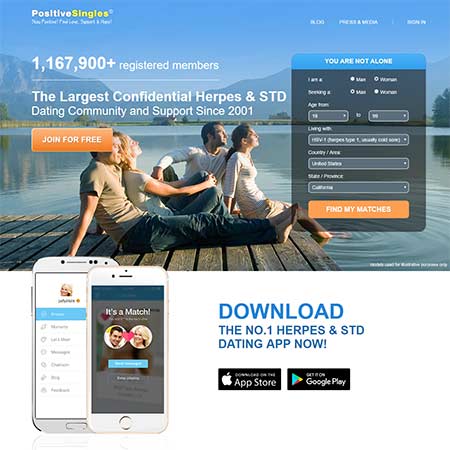
PositiveSingles is 2023 No.1 Herpes dating site and have been on the web for over 20 years. It has 1.7 million online people with herpes.
You can find thousands of nearby singles wiht herpes like you no matter you are looking for a casual relationship or long-term parters. Spend 3 minutes to place a profile and meet nearby singles with herpes.
What Influences the risk of a man getting herpes
Understanding the risk factors that influence the likelihood of a man contracting herpes is essential for informed decision-making and preventive measures.
- Partner's Herpes Status: The risk of herpes transmission is significantly higher if a man's sexual partner has herpes, especially during active outbreaks when the virus is more likely to be shedding. However, it's important to note that transmission can still occur when the infected partner is asymptomatic (not displaying visible symptoms).
- Condom Use: Consistent and correct condom use can reduce the risk of herpes transmission but does not eliminate it entirely. Condoms provide a level of protection, particularly when sores or symptoms are present. Men who prioritize safe sex practices can lower their likelihood of contracting herpes.
- Antiviral Medication: In some cases, healthcare providers may prescribe antiviral medications to reduce the risk of herpes transmission. These medications are more effective when combined with other preventive measures and can be a valuable option for men concerned about their risk.
- High-Risk Behavior: Engaging in sexual activities that involve close skin-to-skin contact with an infected area increases the risk of transmission. Being cautious and mindful of potential risk factors, along with practicing safe sex, can significantly reduce the chances of contracting herpes.
- Immune System Health: A man's overall health and the strength of his immune system can affect the severity and frequency of herpes outbreaks. A robust immune system may help manage the virus more effectively, but it may not necessarily reduce the risk of initial infection.
- Prior Exposure: If a man has been previously exposed to one type of herpes (either HSV-1 or HSV-2), he may have some level of immunity against contracting the other type. However, it's essential to remember that prior exposure does not provide complete immunity, and infection is still possible.
How can a woman prevent giving herpes to a man?
You can reduce the risk of passing the herpes virus to your sexual partners by taking the following steps:.
- Go on a daily low dose of an antiviral medication: The best way to diminish your risk of passing along the herpes virus is to go on a daily low dose of an antiviral medication. Currently, the one that is most commonly used is valacyclovir at a dose of 500 mg per day. This has been found to decrease the rate of transmission by 50 percent over a period of at least eight months, and there are no real major contraindications to continuing daily therapy for many months, if not years.
- Birth Control Pills: Recent research has shown that using birth control pills can lead to a twofold increase in the risk of viral shedding. However, it's essential to note that discontinuing birth control solely for this reason is not advisable. Condoms provide an additional layer of protection against transmission, although they are not infallible. It's worth mentioning that even women using condoms have been found to shed the herpes virus into secretions that can potentially reach the base of the penis or scrotum.
- Vaginal Bacterial Infection: Vaginal bacterial infections, such as bacterial vaginosis (BV), pose a risk for increased viral shedding. BV is the most prevalent type of vaginal infection, typically caused by bacteria that thrive in low-oxygen environments. Symptoms often include a bothersome yellow or green discharge and an unpleasant, fishy odor. BV is believed to create an inflamed environment in which the herpes virus is more likely to reactivate and shed.
How easy is it for a woman to pass herpes to a man?
How common is it for a woman to give a man herpes? The likelihood of a woman transmitting herpes to a man, like any form of herpes transmission, depends on multiple factors including their sexual behavior, the herpes status of their partners, and preventive measures taken. The annual risk of the male partner contracting herpes from an infected woman is below 10 percent.
While transmission is a possibility, responsible sexual behavior, including open communication, condom use, antiviral medication, and regular testing, can help reduce the risk and promote overall sexual health.
2023 Best Herpes Dating Site
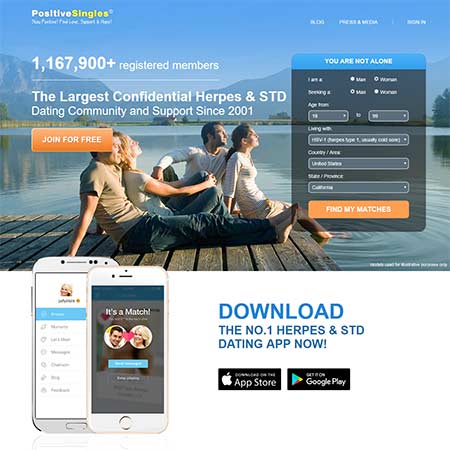
PositiveSingles is the largest site among all the popular herpes dating sites. It has 1.9 millions online users. It is easy for you find nearby people with herpes around you. It's totally free to place a profile for a free trial membership.
Is it harder for a woman to transmit herpes to a man?
The transmission of herpes, whether it's HSV-1 (typically associated with oral herpes) or HSV-2 (typically associated with genital herpes), does not inherently depend on the gender of the person transmitting or receiving the virus. It primarily depends on various factors, including the following:
- Viral Shedding: Herpes can be transmitted when the virus is actively shedding, meaning the virus is present on the skin or mucous membranes and can potentially be transmitted to another person through direct contact. Both men and women can shed the virus.
- Type of Contact: Herpes is most commonly transmitted through direct skin-to-skin contact with the affected area during an outbreak or even when there are no visible symptoms (asymptomatic shedding). The type of sexual activity or contact involved can influence the risk of transmission, but this is not dependent on gender.
- Condom Use: Proper and consistent condom use can reduce the risk of transmission, regardless of gender.
- Antiviral Medications: Antiviral medications can help reduce the frequency and severity of outbreaks and decrease the risk of transmission. These medications can be taken by both men and women.
- Herpes Type: The risk of transmission can also depend on whether it's HSV-1 or HSV-2, the location of the infection, and whether the person has prior immunity.
It's important to note that herpes can be transmitted from either gender to another, and it's crucial for both partners to be informed about the risks and take appropriate precautions if one or both partners have herpes. Using protection like condoms and discussing herpes with sexual partners can help reduce the risk of transmission.
If you or someone you know is concerned about herpes or other sexually transmitted infections, it's advisable to consult with a healthcare provider for guidance, testing, and prevention strategies.

2023 Best herpes dating websites
There are more than 20+ online herpes dating sites. We have tested all of them, and pick the best herpes dating sites for you. including feature lists, costs and member base.

Read these herpes success stories from real people with herpes.
|
The keys to a fulfilling sex life with herpes
You can still have a fulfilling sex life with herpes, it may be more complicated than before. Now, you must be careful about what you do and when you do it. |
|
How to tell someone you have herpes
Tips on handling the conversation. Being comfortable with yourself first and then presenting your information in a calm, reassuring way. what contents, sample script, how will a partner react? |
|
Living With Herpes-The Best Guide
Having herpes doesn’t have to be a big deal. Do some research and learn all you can about the disease. Empowering yourself with knowledge can help you a lot. |
|
How to handle dating
The secret behind 20+ herpes dating sites How to succeed at a herpes dating site Free herpes dating sites vs Paid herpes dating sites Can Herpes Dating Sites Work for You? The Do's and Don'ts of Online Herpes Dating |