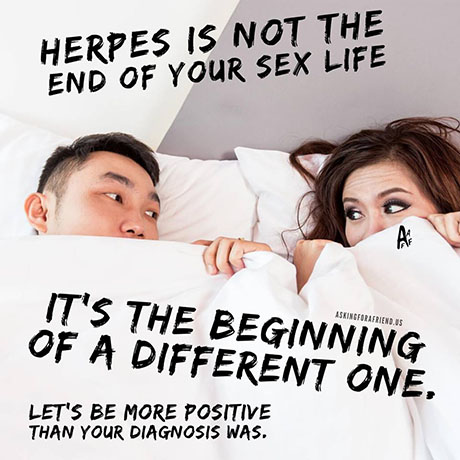
Is having herpes a big deal?
Last update:
Having herpes can be a significant concern for individuals because it can affect both physical and emotional aspects of their lives. Should I be worried if I have herpes? However, whether herpes is a "big deal" or not varies from person to person and depends on several factors, including the type of herpes, the severity of symptoms, individual perceptions, and the level of social support and education available.

You’ve Just Been Diagnosed. What now?
First and foremost, there's no need to panic! Should I be worried if I have herpes? Education can be a valuable tool for gaining a better understanding of how herpes might affect various aspects of your life, it's essential to remain calm when initially coming to terms with a herpes diagnosis.
- Strive to gain a comprehensive understanding of the virus. While this diagnosis doesn't define your life, it's essential to grasp the virus's behavior, potential outbreak triggers, and methods to minimize the risk of transmission to your partners. Take some time to immerse yourself in learning about the virus, including how to manage outbreaks. This knowledge will not only aid you in the future management of herpes but also equip you with the information needed for meaningful and constructive conversations down the road.
- Prioritize disclosure to your partners. Discussing STI test results with past or current partners can be challenging and uncomfortable.However, remain composed and draw upon the insights you acquired in step 1. Being well-informed about virus prevalence and available treatment options can only strengthen your position. Most individuals discover that their partners are supportive and empathetic in such situations.
Is having herpes a big deal? From a medical standpoint, herpes is generally not a significant concern. Herpes is considered a manageable condition. How can hepres be managed? Allow us to provide you with some lesser-known facts that will help alleviate any concerns.
Herpes is a prevalent condition
Genital Herpes is a prevalent condition, often discussed less than its actual prevalence. It turns out that more people are affected by it than commonly perceived. In fact, a significant number of individuals may have genital herpes without even realizing it. Globally and within the United States, genital herpes ranks as one of the most frequently transmitted sexually transmitted diseases. Therefore, if you happen to have the virus, there's absolutely no need to feel embarrassed.
According to statistics from the World Health Organization, approximately half a billion people are carriers of this virus. This year alone, the CDC predicts there will be approximately 572,000 new infections in the United States, adding to the existing tally of nearly 20 million Americans already affected.
Interestingly, a crucial point to note is that many individuals carrying genital herpes remain unaware of their exposure since they never experience visible outbreaks.
Herpes is not a life-threatening infection
Herpes, as an infection, poses no life-threatening risks. Herpes as a virus is not viewed as dangerous one in a medical community. Surprisingly, when you request a standard STI testing panel, it typically covers syphilis, gonorrhea, chlamydia, and trichomoniasis, while genital herpes is conspicuously absent. Medical professionals often omit routine testing for this virus, deeming it unnecessary.
Contracting genital herpes will undoubtedly affect your life, but it differs significantly from other more dangerous viruses. Take, for instance, the human papillomavirus (HPV), another sexually transmitted infection (STI). HPV is more concerning as it has the potential to lead to cervical cancer, making it a more alarming prospect.
In contrast, genital herpes offers a relatively reassuring outlook. The HSV-2 virus that causes it is not driven by lethality. Any complications that may arise are typically minor, such as urinary tract infections.
Symptoms can vary widely and may even be mild or completely absent. Perhaps you've heard frightening accounts of what a genital herpes outbreak entails, including a multitude of blisters and intense pain. However, it's important to note that such severe symptoms often occur during the initial episode. Subsequently, the intensity of symptoms tends to diminish, and outbreaks may become less frequent. Some individuals may even belong to the group that never experiences an outbreak at all.
Effective treatment options are readily available
Effective treatment options are readily available for those who are diagnosed with HSV-2, or those who suspect exposure to the virus. Your initial course of action should involve consulting your healthcare provider.
Upon receiving a positive diagnosis, you can access treatment to address both immediate and long-term needs. Given that herpes outbreaks can recur periodically, having genital herpes treatment readily available is a prudent approach.
These medications offer several valuable advantages. Typically, you may experience tingling sensations or a burning feeling before an outbreak occurs. Administering the medication at the onset of these symptoms can help manage your discomfort effectively.
If you opt for daily medication, it may even be possible to prevent outbreaks altogether. An additional benefit is that these medications can reduce the likelihood of transmitting the virus to your partner by up to 50%.
How will herpes affect your sex life?
Upon receiving herpes diagnoses, individuals may ponder questions like, "Can I ever regain a typical sex life?" "Has my social life come to an end?" "Is this truly as significant as it seems?", "Can I still have casual hookups with herpes".
It's important to bear in mind that our response to such news is often heavily influenced by our personal comprehension (or lack thereof) of the specific STI in question.
The true nature of herpes remains concealed beneath layers of humor, shame, and embarrassment, despite their widespread occurrence among sexually active individuals. Hepes may not be as scary as you once thought.
Why herpes isn't as big of a deal as you may think? The stigma of herpes in general disappears when education properly bridges the gap between fact and myth, and instead shares the reality of life with manageable and controllable STIs, empowering individuals to share their sexual health status with partners and test regularly.
Disclosing is one of the main concerns for people with herpes. The duration for which people feel comfortable disclosing their herpes status can vary greatly from person to person. It depends on individual circumstances, personal feelings, and the level of trust in their relationship or potential partner.
2023 NO.1 Herpes Dating Site
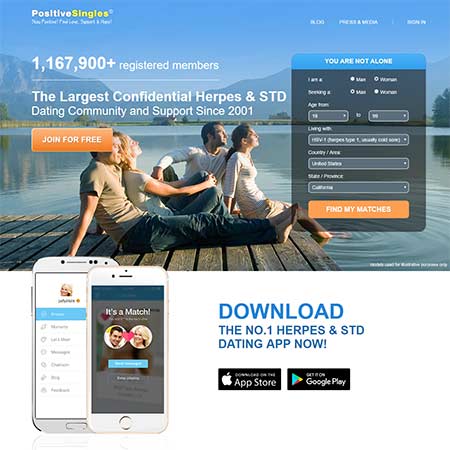
PositiveSingles is 2023 No.1 Herpes dating site and have been on the web for over 20 years. It has 1.7 million online people with herpes.
You can find thousands of nearby singles wiht herpes like you no matter you are looking for a casual relationship or long-term parters. Spend 3 minutes to place a profile and meet nearby singles with herpes.
Herpes is a manageable condition, and its impact largely depends on how individuals perceive and handle it. Belize Spivey emphasizes the importance of focusing on one's own well-being rather than worrying about societal judgments or misconceptions about herpes.
Some individuals may feel comfortable disclosing relatively quickly, while others may take more time to build trust and confidence before sharing this information.
It took me about a year to fully accept my herpes and I 100% agree that the psychological impact of herpes is a lot more serious and hard to accept than the physical part. Physically, herpes is a super manageable STD to live with. As time goes on, you get less and less outbreaks but the feeling of shame, disgust, guilt, etc. is a lot harder to shake. The stigma surrounding herpes is what makes us feel horrible, and it’s also the reason why others are so rude to people living with it. We are always misunderstood. No matter what we feel about us having herpes (sad, depressed, content, etc.) society always finds a problem with it.
Disclosing to new partners can feel daunting, but when sharing an intimate experience like sex, isn’t it better for it be with someone who is mature and compassionate enough to have conversations about informed consent and health in an open way. Don't let fear of judgment or stereotypes affect your self-worth.
1. Join Herpes Dating Sites:
One of the most effective and supportive ways to meet someone with herpes is by joining herpes dating sites or communities. These online platforms are specifically designed for individuals with herpes, providing a safe and understanding environment to connect, share experiences, and find potential partners.
2023 NO.1 Herpes Dating Site
PositiveSingles is 2023 No.1 Herpes dating site and have been on the web for over 20 years. It has 1.7 million online people with herpes.
You can find thousands of nearby singles wiht herpes like you no matter you are looking for a casual relationship or long-term parters. Spend 3 minutes to place a profile and meet nearby singles with herpes.
Some popular herpes dating sites include Positive Singles, MPWH (Meet People With Herpes), and H-Date.
2. Attend Support Groups:
Many cities and regions have local herpes support groups where people with herpes come together to share their experiences, offer support, and connect on a personal level. These groups can be an excellent way to meet others who understand the challenges and emotions associated with the virus.

2023 Best herpes dating websites
There are more than 20+ online herpes dating sites. We have tested all of them, and pick the best herpes dating sites for you. including feature lists, costs and member base.

Read these herpes success stories from real people with herpes.
|
The keys to a fulfilling sex life with herpes
You can still have a fulfilling sex life with herpes, it may be more complicated than before. Now, you must be careful about what you do and when you do it. |
|
How to tell someone you have herpes
Tips on handling the conversation. Being comfortable with yourself first and then presenting your information in a calm, reassuring way. what contents, sample script, how will a partner react? |
|
Living With Herpes-The Best Guide
Having herpes doesn’t have to be a big deal. Do some research and learn all you can about the disease. Empowering yourself with knowledge can help you a lot. |
|
How to handle dating
The secret behind 20+ herpes dating sites How to succeed at a herpes dating site Free herpes dating sites vs Paid herpes dating sites Can Herpes Dating Sites Work for You? The Do's and Don'ts of Online Herpes Dating |